
Elkem Carbon and Danieli Corus team up to reduce steel industry carbon dioxide emissions
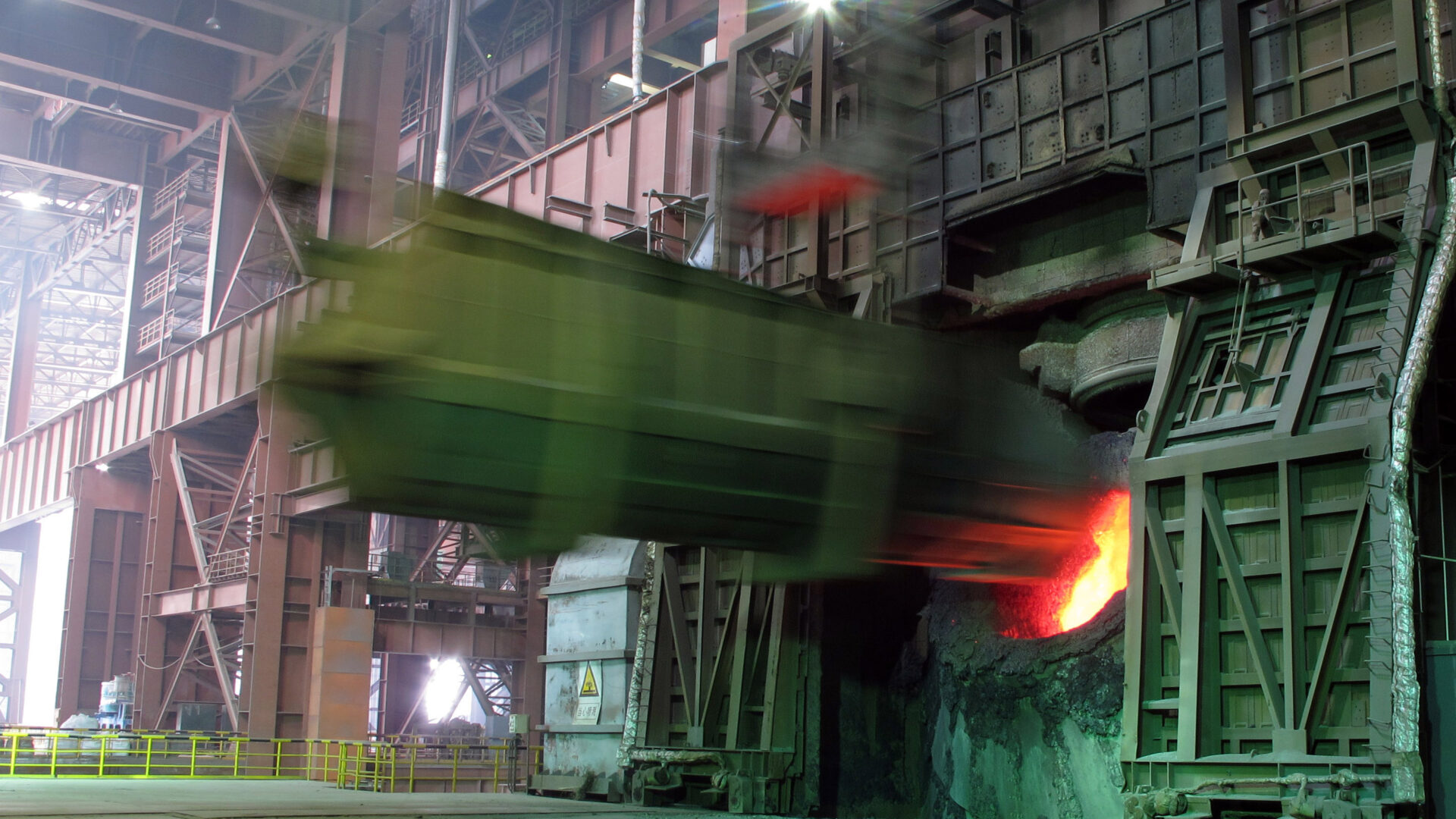
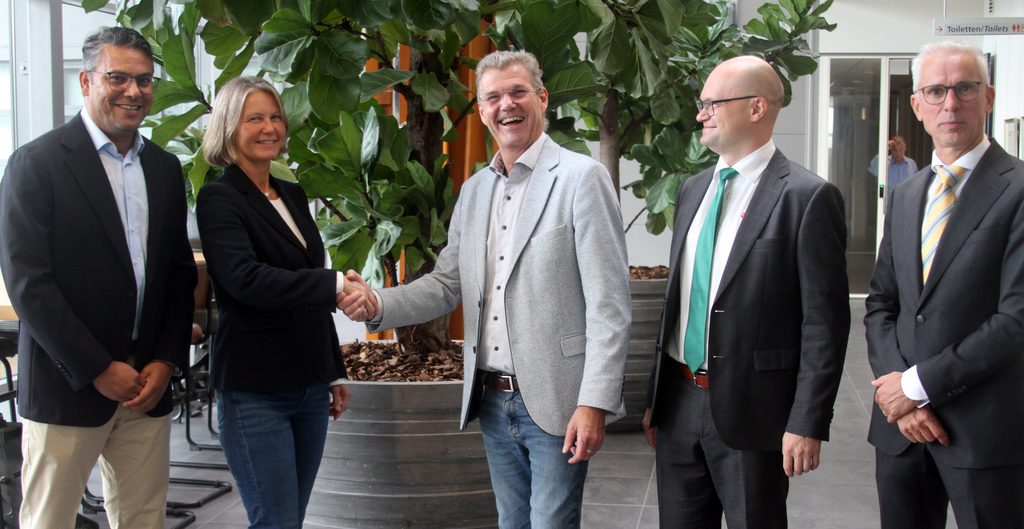
Elkem and Danieli Corus have signed a joint development agreement aimed at reducing greenhouse gas emissions associated with blast furnace–basic oxygen furnace (BF–BOF) steel production by enabling a 40% share of pre–reduced metallics in the BOF converter charge.
Within an integrated steel plant, the blast furnace is responsible for the majority of CO₂ emissions. While modernizing blast furnace operations can significantly improve environmental performance, reducing the volume of hot metal produced is equally effective in lowering overall emissions.
Traditionally, BOF converters process a charge containing approximately 15–20% scrap. Increasing the portion of scrap or pre–reduced metallics reduces the need for hot metal from the blast furnace, thereby avoiding the associated CO₂ emissions. The objective of the joint development program is to increase the share of pre–reduced metallics in the BOF converter charge to 40%.
Achieving this target requires each heat to remain within the specified temperature and composition windows. Eliminating part of the hot metal input eliminates the corresponding input of thermal energy and carbon, creating challenges that must be addressed to maintain stable and efficient converter operation.
Elkem brings extensive expertise in the development of industrial carbon solutions, while Danieli Corus contributes its deep knowledge of BOF steelmaking processes and equipment. By combining their complementary capabilities, the two companies are well positioned to advance higher metallics charging rates in BOF converters and support the steel industry’s transition toward lower greenhouse gas emissions.

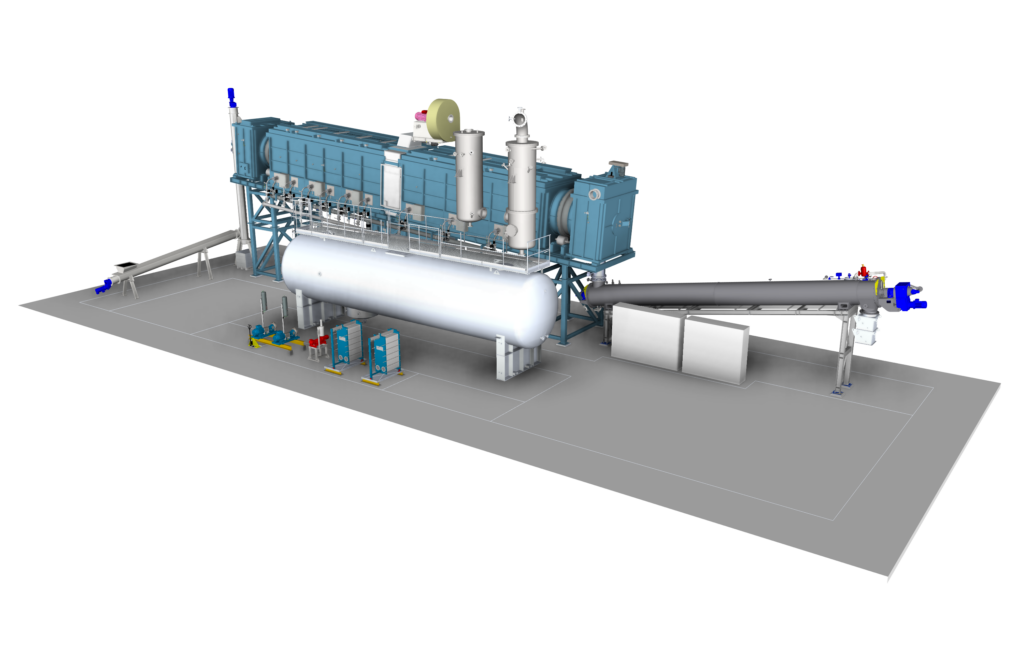
Vow and Danieli Corus enter exclusive collaboration to reduce the carbon footprint of steel production
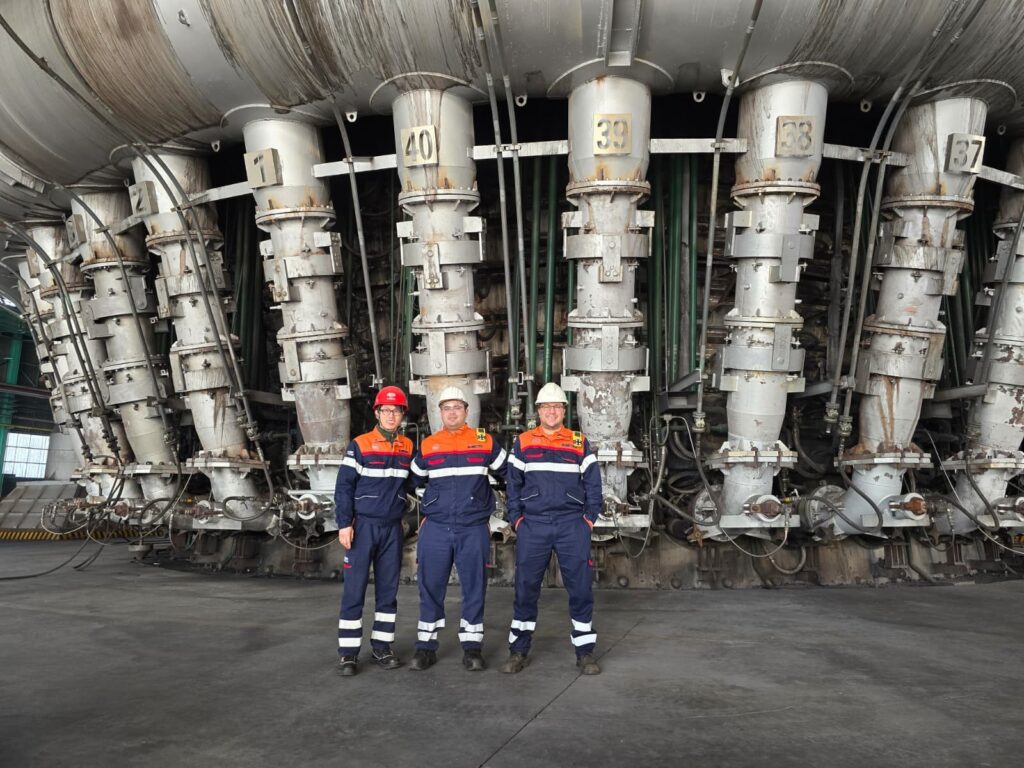
Shagang 5800 m3 Blast Furnace reaches 14,000 tHM/d
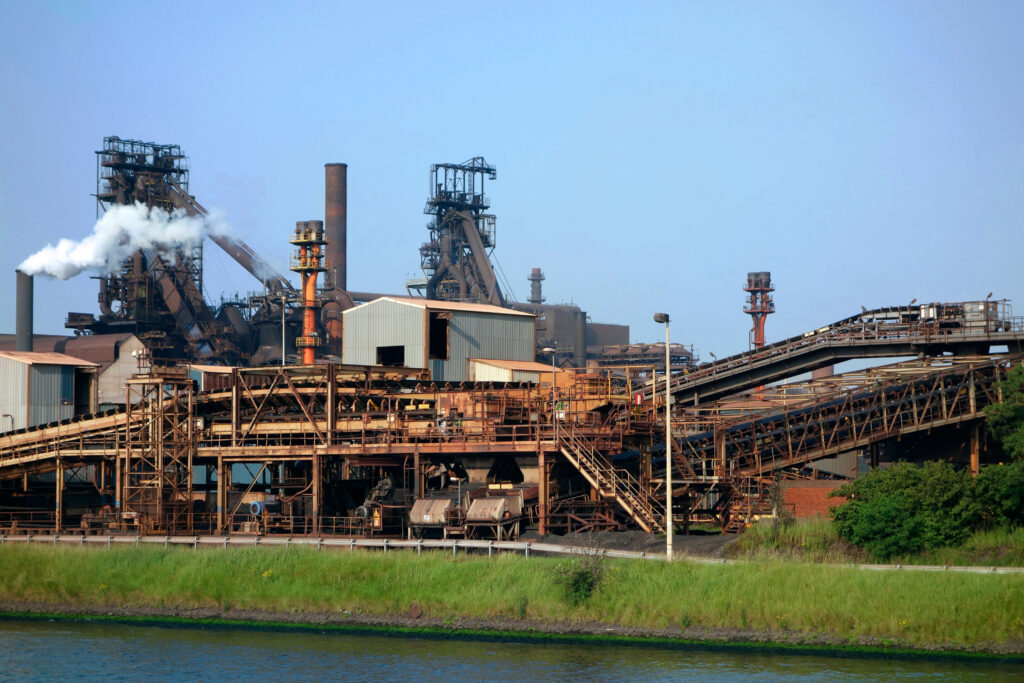
Rebuild of ArcelorMittal Ghent Stoves B1 and B2